Oil, Question, Skincare Regimen
How to Lighten Eczema Scars: Creams, Oils and What Actually Works
Aug
During one of my eczema flare-ups, I scratch until my skin bleeds, because feeling pain is better than feeling itchy. And the next morning, I’m left with torn skin, dried blood, and marks that stay long after the flare settles.
If you’re staring at those dark patches right now, I want you to know something: most of what we call “eczema scars” are not true scars. They’re post-inflammatory changes, and they can fade.
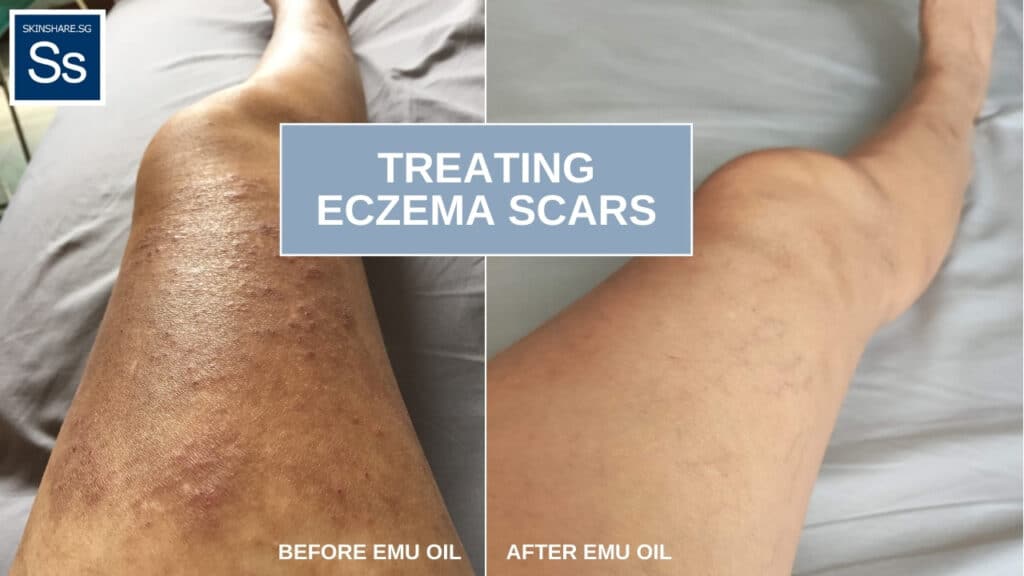
What’s actually happening? After your skin heals from intense itching and scratching, that area often looks darker. This is post-inflammatory hyperpigmentation (PIH), which is excess melanin triggered by inflammation. It can look like scarring, but it’s not permanent.
But sometimes the opposite happens: the skin loses pigment, leaving lighter patches. This is post-inflammatory hypopigmentation.
A third possibility is lichenification, where repeated scratching causes the skin to become thickened, rough, and leathery.
So can eczema scar permanently? A true scar that is raised or depressed is actually rarely caused by eczema. It can happen with deep wounds or severe infections, but for most people, what they’re seeing is PIH or lichenification, and both of which improve with the right care.
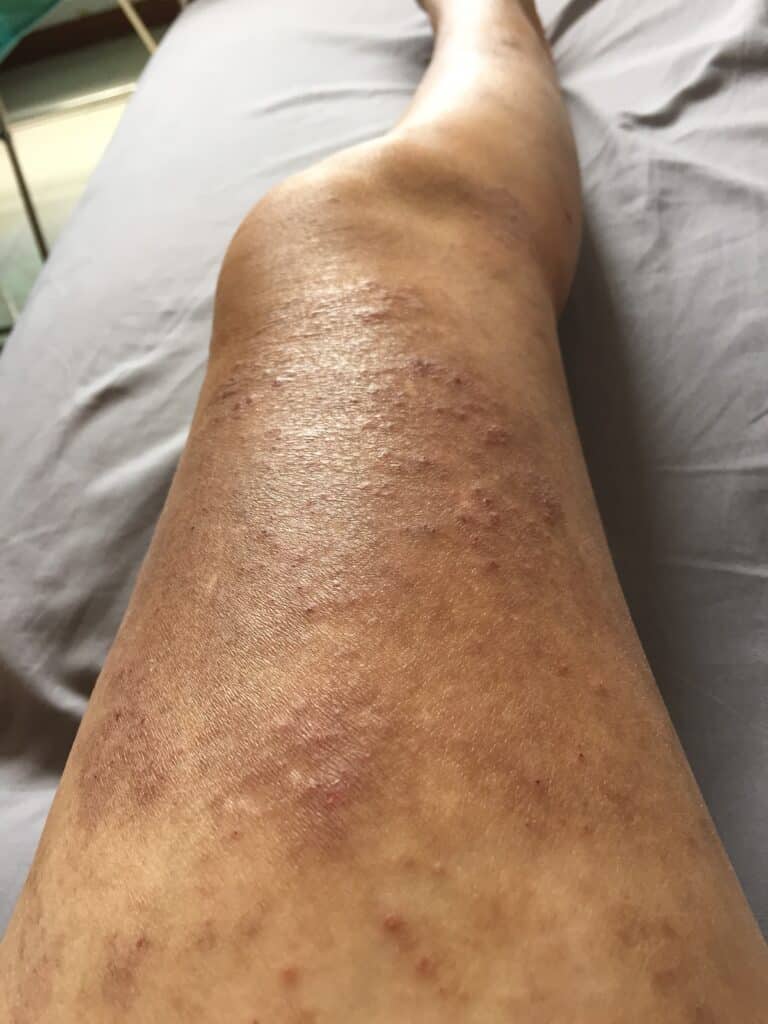
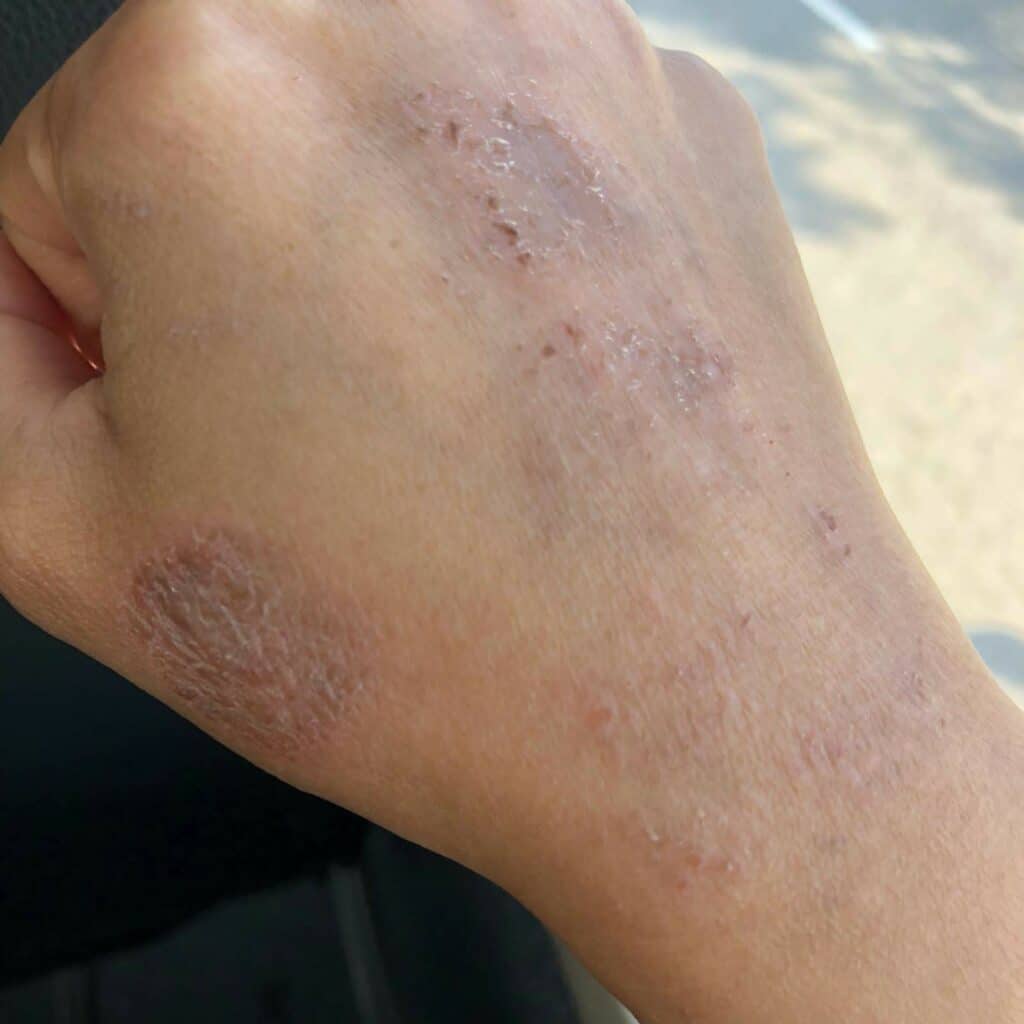
Now imagine the scratching happening night after night. Every night, I am opening myself up to secondary infections, even more scratch marks, and continuous skin damage that doesn’t get a chance to heal.
After the flareup ends, I am left with scarred skin that looks darker (or lighter) than other areas, with wrinkles and dry skin. It’s frustrating and unpleasant to look at, despite my eczema having calmed down.
Best Creams and Oils for Eczema Scar Removal
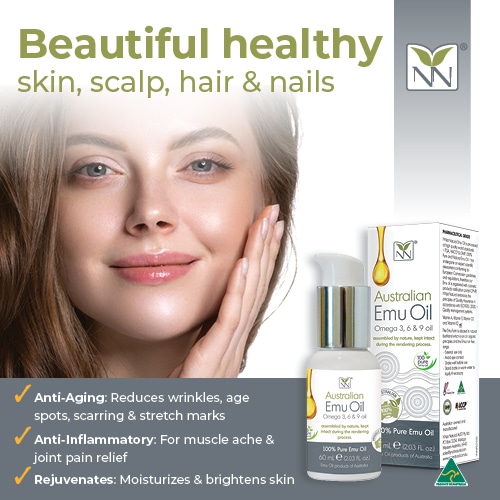
The first thing that people might think of when removing scars is to go for laser treatment, but those are more for surgical scars. For eczema scars, there are more natural, less invasive ways to help make them less noticeable. One of these treatments is emu oil. The emu oil I use and recommend is Y-Not Natural Pure Emu Oil, which I’ve been using daily since my own topical steroid withdrawal.
Emu oil is a natural oil derived from the fat of the emu, a flightless bird native to Australia, and has long been used for various skincare and medicinal purposes, including eczema scars.
How does emu oil help reduce the appearance of scars? Some reasons could be:
- Moisturisation: Emu oil is highly moisturising and easily absorbed by the skin. Keeping the scar tissue well-hydrated can help soften the scar and make it less noticeable over time. Moisturising also helps reduce itching and discomfort associated with scars.
- Anti-Inflammatory Properties: Emu oil contains compounds with potential anti-inflammatory properties. Inflammation is a natural part of the wound healing process, but excessive inflammation can lead to more pronounced scarring. By reducing inflammation, emu oil may help minimise scar tissue formation.
- Antioxidant Effects: Emu oil contains antioxidants, such as vitamins A and E, which can help minimise scarring and protect the skin from free radical damage. By protecting these structural components, emu oil may aid in scar healing and minimise their appearance.
- Omega Fatty Acids: Emu oil is rich in omega-3 and omega-6 fatty acids, which are important for skin health. These fatty acids help maintain the skin’s barrier function and may contribute to overall skin repair and regeneration.
- Penetration Enhancement: Some studies suggest that emu oil may enhance the penetration of other topical treatments or medications when applied together. This can be beneficial if you are using other scar-reducing products in conjunction with emu oil.
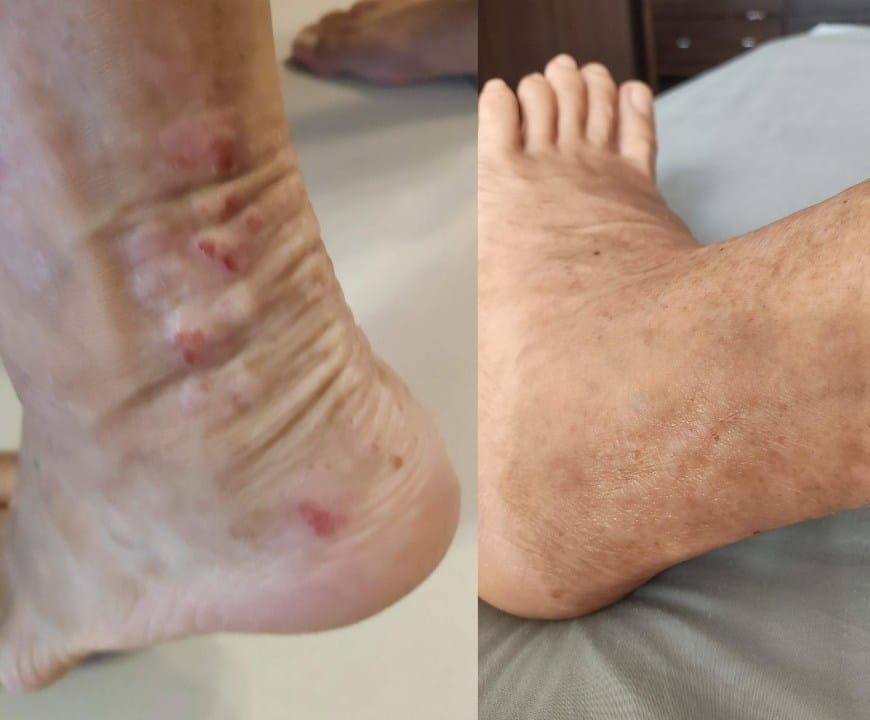
Tips on applying emu oil on scars
Your results may vary when using emu oil for eczema scars. To get the most benefits, take note of the following:
- Before starting, test by applying emu oil on a small area of skin first, to ensure you don’t have any allergic reactions or adverse effects
- Once you are confident that emu oil won’t give you a bad reaction, you should apply emu oil consistently to the scarred area, even after the wound has fully healed
- Be patient, as scar improvement can take several weeks or even months to become noticeable
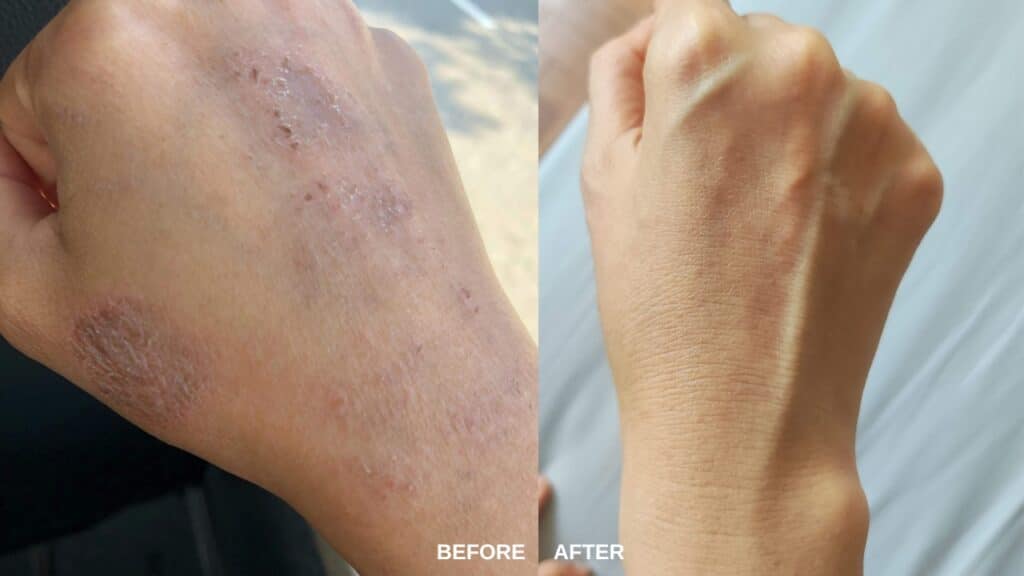
Other options for fading eczema marks
Emu oil is my go-to, but it’s not the only option. Here are a few other approaches worth considering:
Silicone-based scar gels (like Dermatix or Strataderm) are often recommended by dermatologists for raised or textured scars. They create a protective barrier that keeps skin hydrated and helps flatten scar tissue over time.
Vitamin C serums can help brighten hyperpigmentation. Look for formulas with L-ascorbic acid at 10–20% concentration. Apply in the morning under sunscreen. Patch test first as some vitamin C serums can irritate eczema-prone skin.
Sunscreen matters more than most people realise. UV exposure darkens PIH and slows fading. If you’re trying to lighten eczema dark spots, wearing SPF 30+ daily, even on a cloudy day, makes a real difference.
Looking for natural home remedies? I wrote a separate guide covering aloe vera, honey, oatmeal, and other home treatments: How to Get Rid of Eczema Scars Naturally — and What Actually Works.
Fading Eczema Scars on Hands, Arms and Legs
Eczema marks tend to concentrate on the same body parts that get the worst flare-ups. A few area-specific tips:
Hands: The skin on your hands is thinner and constantly exposed to water, soap, and sanitiser. Scars here are often a mix of dark marks and rough patches. Apply emu oil after every hand wash if you can, and wear bamboo gloves overnight to lock in moisture and protect healing skin.
Arms and shoulders: These are the marks that make you think twice about wearing sleeveless tops, especially in Singapore’s heat. Consistent daily application of emu oil or a scar-fading cream is key. If you scratch in your sleep, wearing eczema sleeves at night protects the skin from further damage.
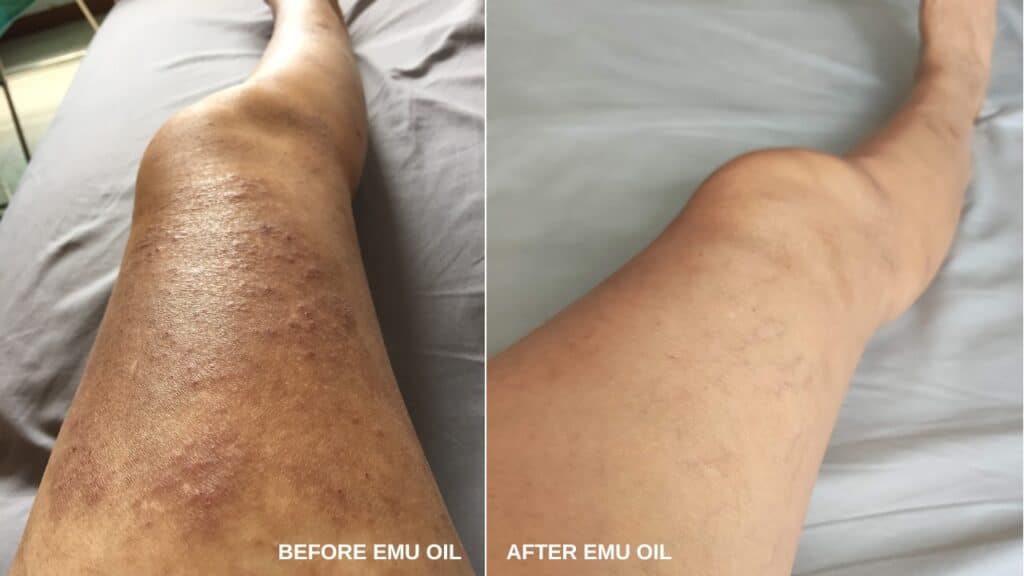
Legs: Eczema scars on legs, especially behind the knees, are extremely common. The skin here is thin and creases constantly, which makes marks more visible. The approach is the same: moisturise twice daily, protect from UV, and be patient. Legs tend to fade a bit slower than arms or face.
Related read: “I Love Sleeveless Tops… But Not With These Eczema Scars”
Frequently-Asked Questions
These are the most common concerns I get through chatting with my customers. I hope it helps to understand how emu oil can work for your scars.
Pure Australian Emu Oil by Y-Not Natural
One of the leading brands of emu oil, Y-Not Natural is processed at a pharmaceutical rendering plant registered with the Therapeutic Goods Association (TGA) and HACCP Australia Food Safety Accreditation.
It is the only Emu oil company in the world that has direct access to testing Emu oil for biological activity. In this facility, the emu oil is steam infused with 0.02% eucalyptus which is known for its antiseptic, antibacterial, anti-inflammatory, anti-rheumatic properties.
-

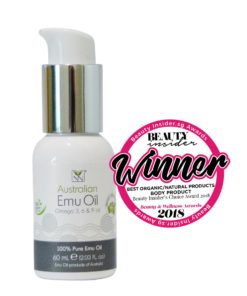
Y-Not Natural 100% Pure Emu Oil Omega 3,6 & 9 (60ml)
SGD36.00 -
Y-Not Natural 100% Pure Emu Oil Omega 3,6 & 9 (200ml)
SGD76.00 -
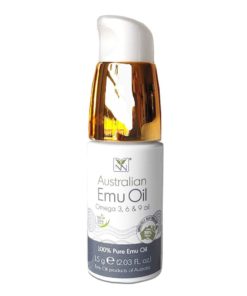
Y-Not Natural 100% Pure Emu Oil Omega 3,6 & 9 (15ml travel size)
SGD16.00 -
[Bundle Offer] Y-Not Natural Omega 3,6 & 9 Oil 100% Pure Emu Oil (200ml) x 2
Original price was: SGD152.00.SGD146.00Current price is: SGD146.00. -
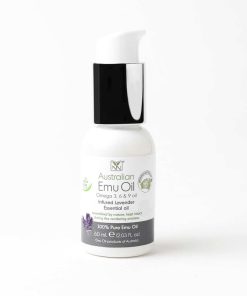
Y-Not Natural 100% Pure Emu Oil Infused with Lavender Omega 3,6 & 9 (60ml)
SGD37.00 -
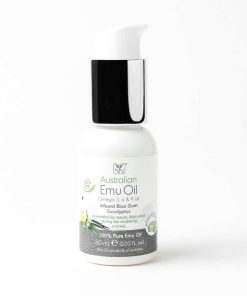
Y-Not Natural 100% Pure Emu Oil Infused with Eucalyptus Omega 3,6 & 9 (60ml)
SGD37.00

![[Bundle Offer] Y-Not Natural Omega 3,6 & 9 Oil 100% Pure Emu Oil (200ml) x 2](https://skinshare.sg/wp-content/uploads/2017/02/new-emu-oil-200ml-scaled-scaled-247x296.jpg)