
Sleeves
What You Need To Know About Eczema Sleeves

Oct
Living with eczema means constantly battling the urge to scratch, especially when your skin feels irritated, hot, or dry. It’s a relentless cycle that can impact your sleep, confidence, and overall well-being.
Eczema sleeves offer a simple, non-invasive way to manage these daily challenges, acting as a protective second skin for your arms and legs that brings tangible relief.
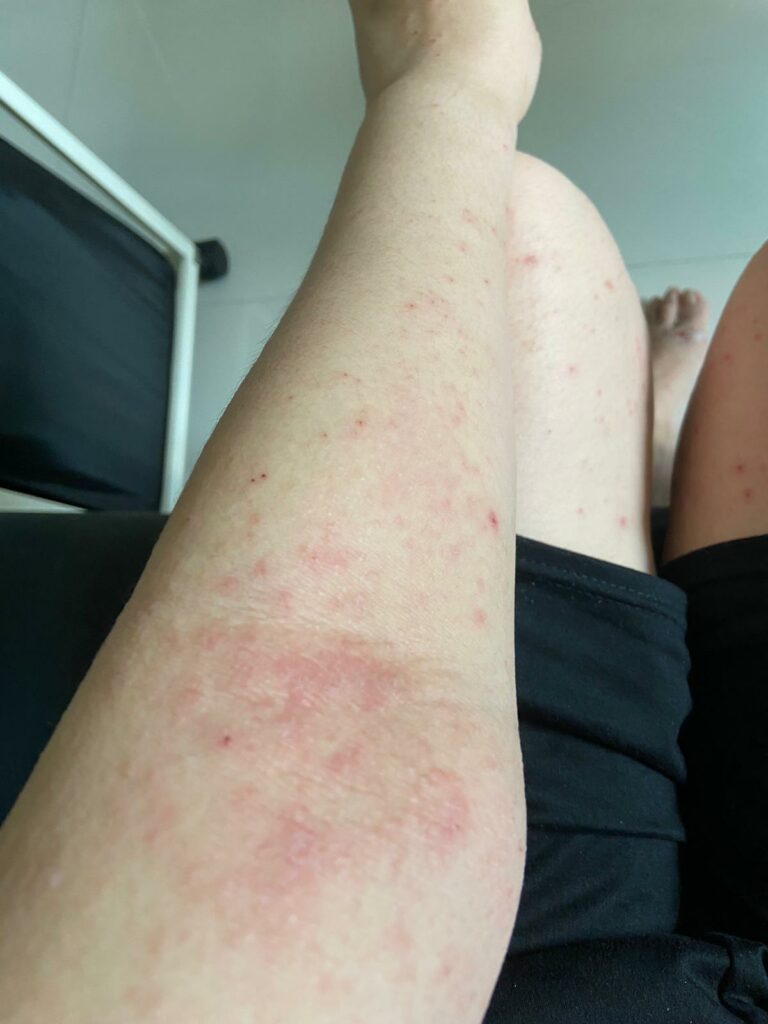
Why Eczema Commonly Appears on Arms and Legs
Have you ever noticed that your eczema seems to hit your arms and legs the hardest? It’s a common experience, and there are several reasons why these limbs are often the primary battlegrounds for eczema flare-ups, especially in a tropical climate. Understanding these factors can help you better protect your skin and manage your condition.
Our arms and legs are constantly in motion, and this constant flexing and bending can put significant stress on delicate skin. Areas like the flexures (elbows and knees) trap heat and sweat, creating a warm, moist environment that’s perfect for irritation. The repetitive bending and friction in these areas also stress the skin barrier, making it more vulnerable to damage.
What’s more, the skin over our joints tends to be thinner and more delicate, allowing irritants and allergens to penetrate more easily, leading to inflammation and itching. This inherent vulnerability makes these areas particularly susceptible to eczema flares.
Daily Contact Triggers
Think about how often your arms and legs come into contact with various surfaces and materials throughout the day. Everyday items can act as direct irritants. This includes everything from clothing seams, certain detergents, and even the edges of desks or sports gear. These seemingly innocuous contacts can trigger irritation and worsen eczema symptoms.
Beyond direct contact with clothing and surfaces, there’s also the constant environmental exposure on uncovered skin. This means your arms and legs are often the first to encounter irritants from things like phones, keyboards, and gym equipment, all of which can harbor allergens and bacteria that exacerbate eczema.
Climate Factors
The pervasive heat and humidity can shift skin pH and alter the skin microbiome, creating an environment ripe for irritation and flare-ups. This constant moisture can also make it difficult for the skin to regulate its temperature and hydration effectively.
Furthermore, the clothing choices often made for warm weather can be problematic. Non-breathable fabrics can occlude the skin, trapping heat and sweat and exacerbating irritation. Frequent showers, while seemingly refreshing in the heat, can also be detrimental if paired with harsh cleansers that strip essential lipids from the skin, further compromising its barrier function.
These open skin areas invite Staphylococcus aureus overgrowth, prolonging flares and increasing the risk of secondary infections. This common bacteria, often present on the skin, can thrive in compromised skin barriers, making eczema symptoms worse and delaying the healing process.
What are Eczema Sleeves
Eczema sleeves are specialised, often snug-fitting, arm or leg coverings designed to provide itch relief and protect sensitive skin by creating a physical barrier against scratching and allergens.
They are normally made from allergy-free materials like 100% cotton or bamboo viscose, and often blended with spandex for elasticity.
Types
Eczema sleeves come in a variety of forms to cater to different needs and body parts. You can find specialised arm and leg sleeves, as well as specific elbow/knee covers for those particularly problematic joint areas. For comprehensive hand and foot protection, there are also gloves/mittens and socks available.
Key benefits
Eczema sleeves are designed to tackle the most common struggles of living with irritated skin. They serve as a crucial barrier, directly helping to block your nails and friction from damaging the skin. This simple act can prevent further skin damage, reducing inflammation and giving your skin a chance to heal.
They also play a vital role in enhancing the effectiveness of your skincare routine. By wearing sleeves over your emollients, they help to lock in moisture, creating an occlusive barrier that maximises absorption and hydration (this is often called a dry wrap). This can be particularly beneficial during humid evenings, where skin can still feel dry despite the ambient moisture.
Furthermore, these sleeves work to create a calmer microclimate to reduce sweat/heat irritation. This is especially important if excessive sweating can exacerbate your eczema symptoms. By managing the skin’s immediate environment, sleeves help to keep irritations at bay.
When used as part of a comprehensive care plan, sleeves can also lower infection risk when paired with antimicrobial care. Protecting broken or inflamed skin from external contaminants is crucial, and a clean sleeve acts as a physical shield, reducing the likelihood of bacterial intrusion. This proactive approach supports your skin’s healing process.
Ultimately, the consistent use of eczema sleeves can significantly boost comfort, confidence, and sleep. Many individuals report feeling less self-conscious about their skin when wearing sleeves, and the reduction in nighttime scratching often leads to more restful sleep. This holistic improvement in daily life is a testament to the simple yet profound impact of this protective wear.
The good news is that these protective garments aren’t just for adults. There are plenty of options for adults, teens, and kids, ensuring everyone can find a comfortable fit. Saifuddin, father of a 4-year old girl, got eczema mitten sleeves for his daughter. The mittens made a huge difference.
By preventing scratching during sleep (which is the time where parents have the least control), her skin finally had the chance to heal. Within a couple of weeks, the bleeding reduced. After a month, the scabs closed up and the skin smoothed out.
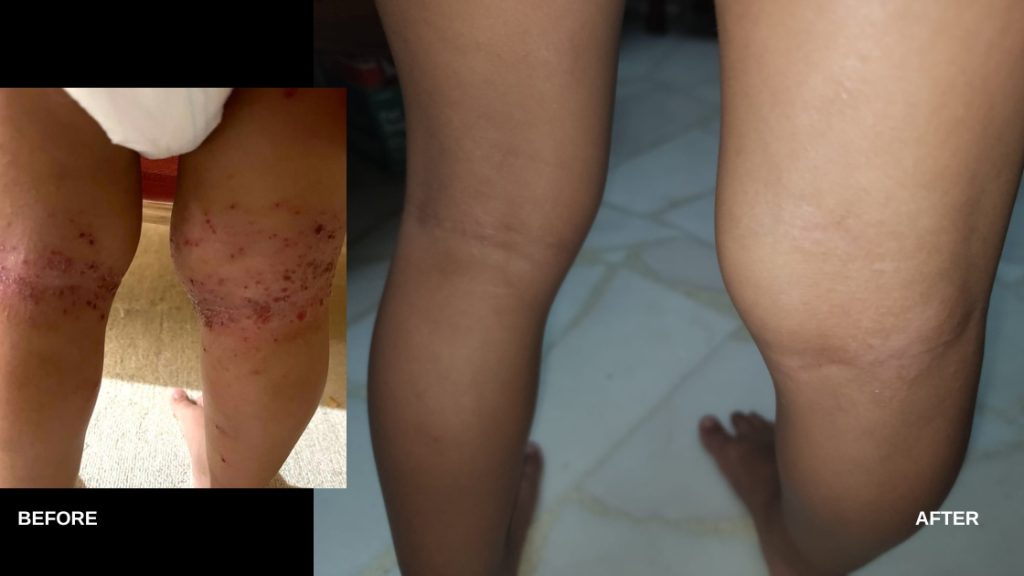
“After a month of using the eczema mittens, her skin healed. As parents, we feel more at peace now when we sleep.”
Saifuddin, father of 4-year old with eczema. Full story
Eczema Sleeves vs. Compression Sleeves
It’s easy to confuse eczema sleeves with other types of arm and leg wear, but there’s a crucial distinction. Eczema sleeves are soft, breathable, non-compressive barriers for sensitive skin. Their primary role is to protect, soothe, and support your skin’s healing, without any restrictive pressure. They gently cradle your skin, preventing external irritants and blocking unconscious scratching.
On the other hand, compression sleeves are tight garments primarily designed to improve circulation or provide muscle support. While effective for their intended purpose, their snug fit can actually aggravate eczema if overly tight or made from unsuitable materials. The constant pressure and reduced airflow can lead to increased irritation and discomfort for already sensitive skin.
How to Choose the Right Sleeves
Let’s break down what to look for when choosing a suitable eczema sleeve.
Skin-friendly Fabrics and Safety
When your skin is sensitive and prone to eczema, the material touching it makes all the difference. Look for sleeves made from naturally soft and breathable fibers like bamboo, silk, or soft cotton blends. These materials are known for their gentle touch and ability to allow your skin to breathe, reducing irritation.
It’s equally important to ensure the fabrics are free from common irritants such as dyes, fragrances, latex, and formaldehyde. These chemicals can trigger flare-ups and undo all the good work your skincare routine is doing.
Construction and Comfort
The way a sleeve is made significantly impacts its comfort, especially for sensitive skin. Opt for designs with flatlock or seamless construction. This prevents irritating seams from rubbing against your skin, which can cause friction and discomfort, especially in areas like the elbow or knee creases.
Pay attention to the cuffs as well; they should be soft and non-binding. A good eczema sleeve will offer a gentle stretch without compression, ensuring blood flow isn’t restricted and avoiding any tightness that could aggravate your skin. The goal is a true-to-size, relaxed fit that feels like a second skin, not a squeeze.
Breathability and Climate Fit
Choose lightweight, moisture-wicking options specifically designed to keep your skin cool and dry in our climate. These fabrics help manage sweat, a common eczema trigger.
Consider how the sleeves will integrate into your daily life. Some designs are made to be discreet under uniforms or office wear, allowing you to wear them confidently throughout the day without drawing attention. For those who spend time outdoors, sleeves can offer an extra layer of defense against sun exposure, which can sometimes irritate sensitive skin.
Usage and Care
Look for sleeves that are easy to care for with mild detergent; remember to avoid fabric softeners or bleach, as these can leave residues that irritate the skin. Always opt for a cold wash and gentle spin, preferably in a netting bag to protect the fabric. Or, wash in up to 40 degree C to remove oil / blood stains.
Since you’ll likely want to wear your sleeves regularly, it’s wise to buy 2 or 3 pairs to rotate. This ensures you always have a clean pair ready while others are being washed, maintaining consistent protection and hygiene without added hassle. It’s an investment in your skin’s ongoing comfort.
Sizing and Fit
The right fit is absolutely essential for comfort and effectiveness. Before purchasing, take accurate measurements: measure circumference (bicep/forearm or calf/thigh) and sleeve length. This ensures the sleeve will cover the affected area without being too loose or too tight.
The goal is an snug-but-gentle fit. You shouldn’t see any marks on your skin after wearing the sleeve for about 30 minutes. For kids, finding the right size can be a bit trickier, but it’s important to allow growth room without slipping.
Range of sleeves
-
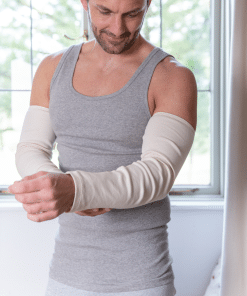
Allergy-Free Organic Cotton Arm Sleeves | Arm Protection | Arm Cover for Adult ( 2 pieces )
SGD36.00 -
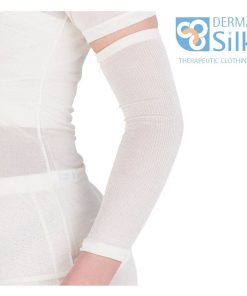
DermaSilk Tubular | Arm Sleeves | Leg Sleeves for Adult ( 2 pieces )
SGD45.90 -
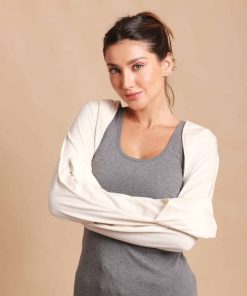
Allergy-Free Comfortable Long Sleeve Bolero Shrug | Cropped Cardigan Arm Sleeves with Reversible Mittens for Adult
SGD59.90 -
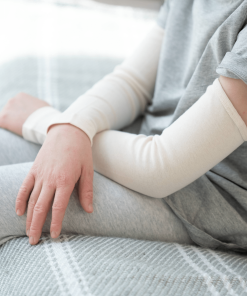
Allergy-Free Organic Cotton Arm Sleeves | Arm Protection | Arm Cover for Children ( 2 pieces )
SGD32.00 -
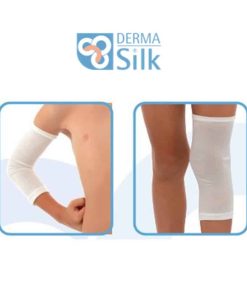
DermaSilk Tubular | Arm Sleeves | Leg Sleeves for Children ( 2 pieces )
SGD30.90 -
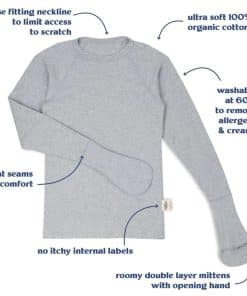
Children Eczema Mitten Sleeves Tee | Scratch Mittens T-Shirt
SGD54.90 -
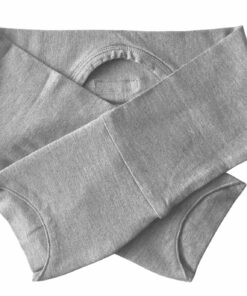
Eczema Mitten Sleeves | Scratch Mittens for Children | Mitten Sleeves for Children
SGD47.90
How to Use Sleeves (Step-by-Step)
Once you’ve chosen the perfect eczema sleeves for your sensitive skin, the next step is integrating them effectively into your daily routine. It’s not just about putting them on; it’s about understanding how to maximise their benefits for comfort, protection, and healing. Here’s a step-by-step guide to get you started.
Day Routine (Dry Wrap)
Incorporating sleeves into your daytime routine is about proactive protection and moisture retention. Start by cleansing your skin gently and patting it dry. Remember, harsh rubbing can irritate eczema-prone areas.
Next, while your skin is still slightly damp from cleansing, apply your preferred emollient. This helps to lock in that crucial moisture. Finally, slide your sleeves on to lock in moisture. Wearing them during flare-prone activities like working at a desk or engaging in light sports can create a protective barrier, reducing friction and external triggers.
Night Routine (Anti-Scratch)
Nights can be particularly challenging for eczema sufferers, with unconscious scratching often undoing the day’s healing. For open skin, begin by applying a wound-safe barrier like silver gel, then follow up with your usual moisturiser. This creates an optimal healing environment.
Next, use sleeves (plus gloves if needed) to reduce unconscious scratching. This simple physical barrier can make a world of difference in preventing further damage while you sleep. To maintain hygiene and effectiveness, remember to launder your sleeves after 1–2 wears, ensuring they’re always clean and ready to protect.
Wet Wrap (For Acute Flares, If Advised)
For those acute, stubborn flares, wet wrap therapy can offer significant relief, but it should always be done with care and, ideally, under professional guidance. Ideally, tubular bandages are used for the wet layer, but sleeves can work, too. To perform a wet wrap, lightly dampen a clean sleeve and wring it until it’s no longer dripping. The goal is moisture, not saturation.
Then, layer a dry sleeve over it to maintain humidity and prevent rapid drying. This dual-layer approach helps keep the skin hydrated and allows emollients to penetrate more deeply. Always follow your doctor’s advice for wet wraps.
FAQs
No, eczema sleeves will not cure your eczema. Eczema is a complex condition with various triggers, and no single product offers a complete cure. However, sleeves are an effective supportive barrier that reduces triggers and damage. They are best used as part of a consistent skincare plan, working in tandem with your emollients and prescribed treatments to protect your skin, minimise scratching, and promote healing.
Yes, you can. Many individuals successfully integrate eczema sleeves with their prescribed topical medications. The key is to apply your topical steroids as directed, allow them to fully absorb, and then put on your sleeve. This ensures the medication has optimal contact with your skin before the sleeve provides its protective barrier.
Topical Steroid Withdrawal (TSW) is an incredibly challenging journey, and many individuals find that sleeves offer some support during this time. While sleeves won’t stop TSW, many find them useful to limit scratch damage and protect wounded skin, which is a major concern during flares. During TSW, skin can be exceptionally sensitive, so it’s crucial to choose ultra-soft, breathable fabrics. They can provide a gentle physical barrier against environmental irritants and unconscious scratching. However, note that wearing arm sleeves during TSW is like bandaging your wounds. The arm sleeves act as a “dressing”, and will need to be changed frequently. In severe cases, it may be better to use proper wound dressing instead.
When your skin is open or weepy, it requires extra care. If this is the case, first, use a wound-safe barrier, such as Argasol silver gel, on the affected areas to protect them and aid healing. It’s important to avoid tightness with the sleeves, as pressure on compromised skin can cause further irritation. In some situations, especially for extensive weeping, you might consider wet wraps under guidance from a healthcare professional. Most importantly, if your skin is extensively open, showing signs of infection, or not improving, always see a clinician promptly for personalised advice and treatment.
Make Eczema Sleeves Part of Your Total Care
Eczema sleeves can be an important tool in your arsenal. They actively protect your healing barrier, cut down on scratch damage, and significantly help you sleep better.
We encourage you to start with one breathable pair that feels right. Focus on getting the right fit (snug but not tight) and then integrate them into a simple day/night routine. Consistency is key here; a gentle cleanse, your trusted moisturiser, and then your protective sleeves.
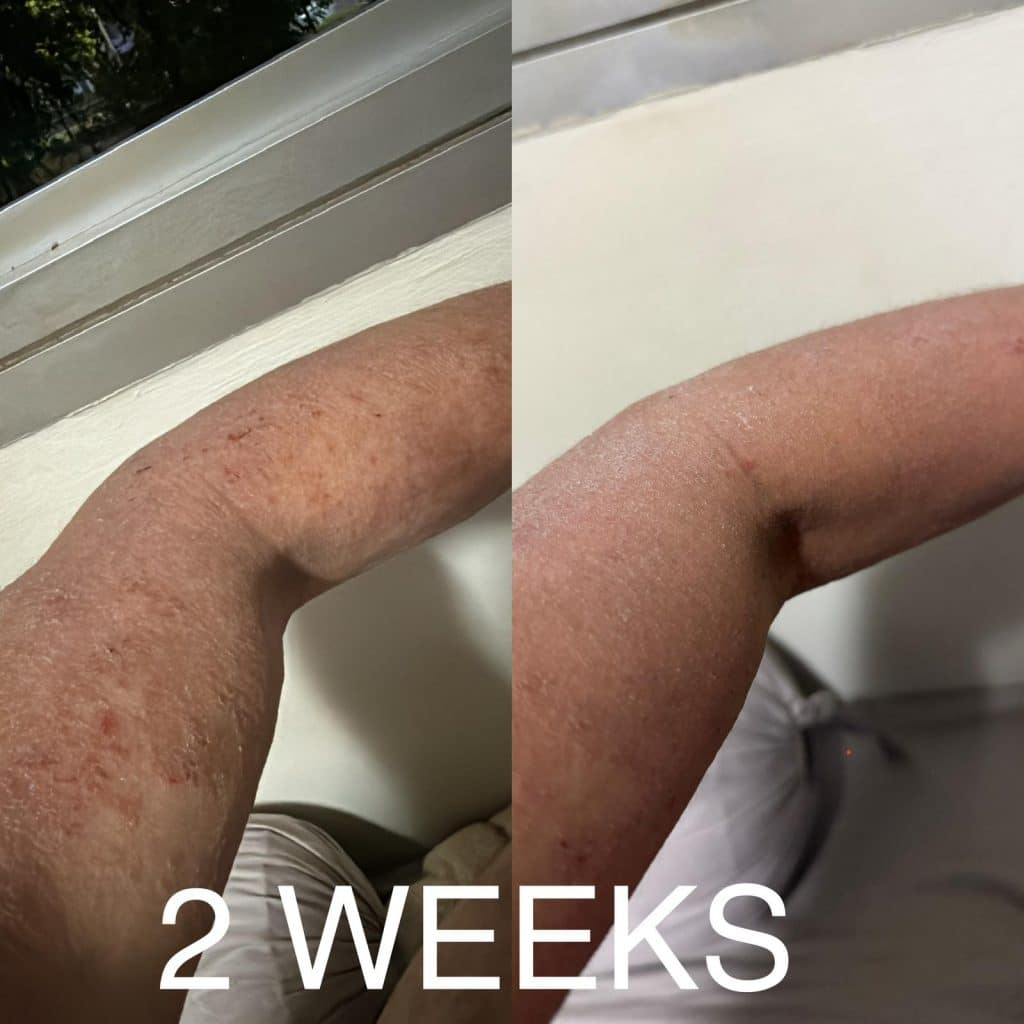
Over the next two weeks, track your sleep quality and note any changes in scratch marks. This personal data is invaluable. It will help you understand what’s working and allow you to adjust your routine as you go, tailoring the approach to what your unique skin truly needs. Small habits, when consistent, lead to big relief.
