Cream, Personal Blog, Skincare Regimen
This Antiseptic Cream Was The Only One That Didn’t Burn During TSW

Sep
If you’re going through topical steroid withdrawal (TSW), you already know how debilitating it is.
The burning feeling, stinging, and that crawling nerve-sensitivity feels relentless. Sleep is non-existent. And even the aircon or the touch of fabric can trigger waves of pain that make simple tasks feel exhausting.
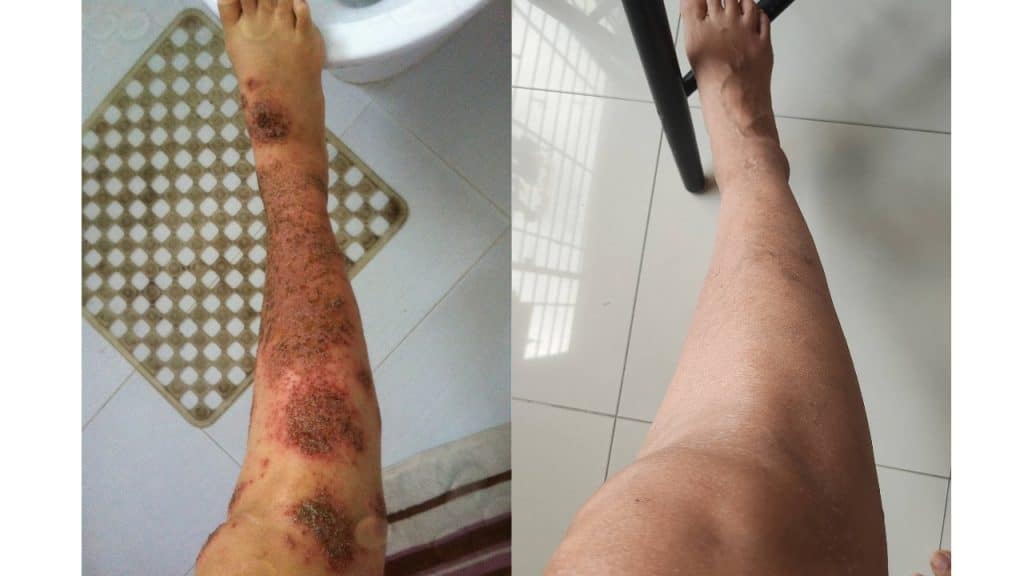
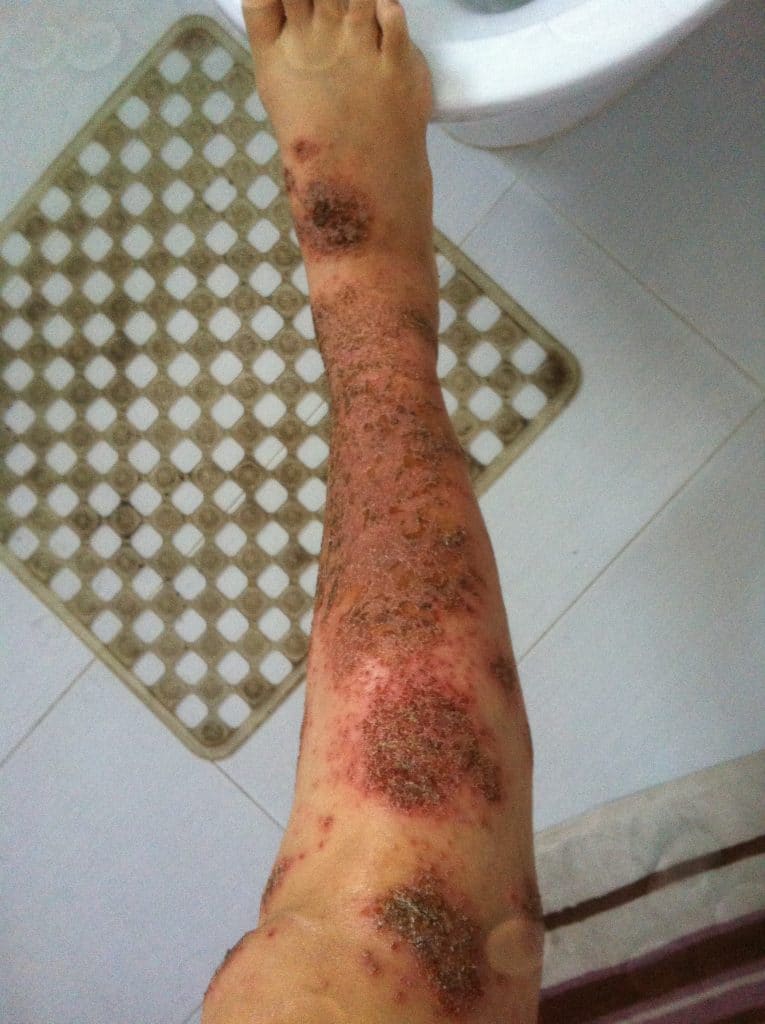
During TSW, you also get large weeping patches of skin that oozes, forms crusts, cracks, and then reopens. It feels like you are a burn victim. This cycle is emotionally and physically draining. I know, because I’ve been there.
Controlling infection during TSW
Open, weeping skin during TSW is an invitation for bacteria to multiply. The main bacteria is Staphylococcus, which can increase inflammation and slow down healing. So the most direct way to kill bacteria is to disinfect the area using antiseptic.
The problem is, most antiseptic products assume that the wound comes from a cut, abrasion, or direct burns; not weeping skin due to TSW. These antiseptic products can be too harsh (such as alcohol-based products or concentrated iodine). And they add more damage and pain to an already compromised skin barrier.
Therefore, a gentler approach is needed. One that cleans without more pain or stripping the skin’s fragile defenses.
What I Tried First
During my TSW, I was desperate to stop the ooze and inflammation. My skin looked and felt like a burn, so my first instinct was to reach for anything labelled “antiseptic”, such as:
Alcohol-based products (rubs, wipes, sprays): these gave me an immediate, sharp burn. Alcohol strips the already fragile lipid barrier and evaporates quickly, which equals rapid pain and more dryness afterward. On broken TSW skin it felt like pouring fuel on a fire.
Iodine / povidone-iodine: yes, they work against microbes, but they stung and left my skin tight and flaky for days. For small, clean cuts they have a place, but on large, oozing patches they added more irritation than help.
Hydrogen peroxide: it foamed and looked like it was “doing something,” but the sensation was extremely harsh and my skin did not heal. Hydrogen peroxide works by oxidising tissue and bacteria, which can damage healthy cells and impede healing on open wounds, so I stopped using it on widespread TSW areas.
For routine care of weeping TSW skin, I needed to find alternatives.
The Low-Sting Cream That Worked Better: Germolene
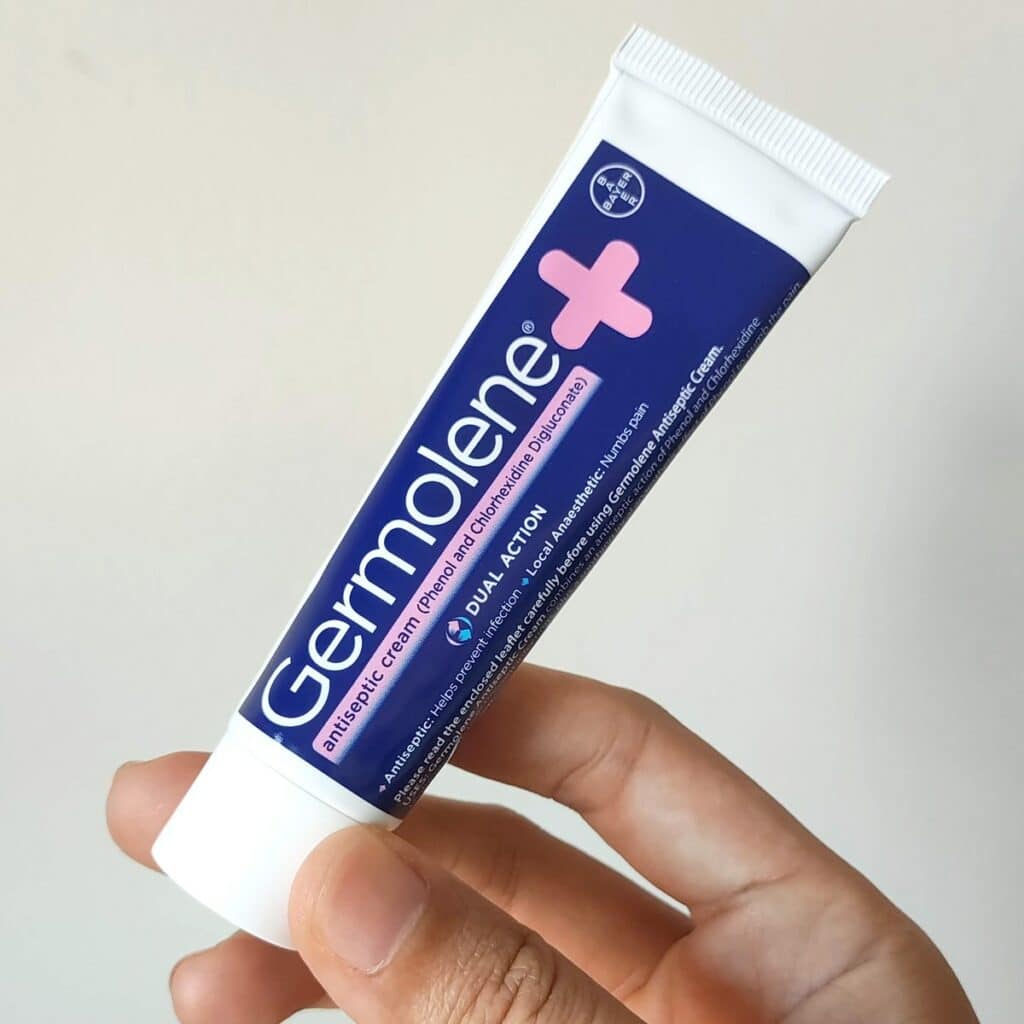
Germolene is a dual‑action antiseptic cream. It combines a topical antiseptic with a mild phenolic (numbing) agent, and that combo is what made it feel gentler on my TSW skin.
Unlike alcohol or iodine, it didn’t produce that sharp, searing burn on open, weeping patches. Instead, there was a noticeable calming and very mild numbing sensation that eased the “burning” feeling.
Key ingredients
- Chlorhexidine digluconate: a broad‑spectrum antiseptic that helps lower surface bacterial load without the harsh sting of alcohol.
- Phenol: acts as an antiseptic and provides a mild local anaesthetic effect, which reduces pain on contact.
- Emollient base: the cream’s oily, protective vehicle leaves a soft film over the skin that helps prep the area for follow‑up moisturisers like emu oil or a barrier ointment.
Pros I noticed
- It did not sting on my open, weeping spots the way alcohol or povidone‑iodine did.
- The mild numbing effect helped me to fall asleep. It also improved tolerance for showers. These small wins helped me a lot, because every sensation felt magnified.
- Germolene is relatively affordable, so I could replenish my supply without feeling the pinch.
- Using a thin layer on crusted edges made it easier to apply emu oil and ointment afterwards without feeling like I was trapping contaminants against raw skin.
However, there are some things you should aware of in Germolene. First, some people may have a reaction to the lanolin (wool fat) in it. Also, only apply it to damaged skin. If you slather it on everywhere, high concentrations of phenol can irritate the skin.
My No‑Sting Routine (Step-by-Step)
This is the gentle sequence that helped me calm my ooze without adding sting or damage. Keep each step slow and deliberate.
1. Cleanse
Rinse the area with cool sterile saline or cooled boiled water. Use a gentle stream or pour. Don’t scrub. Then, pat dry with soft gauze or a clean, lint‑free cloth; avoid rubbing.
During serious oozing, I use hospital-grade wound cleansers like Hospigel or Octenisan.
2. Disinfect
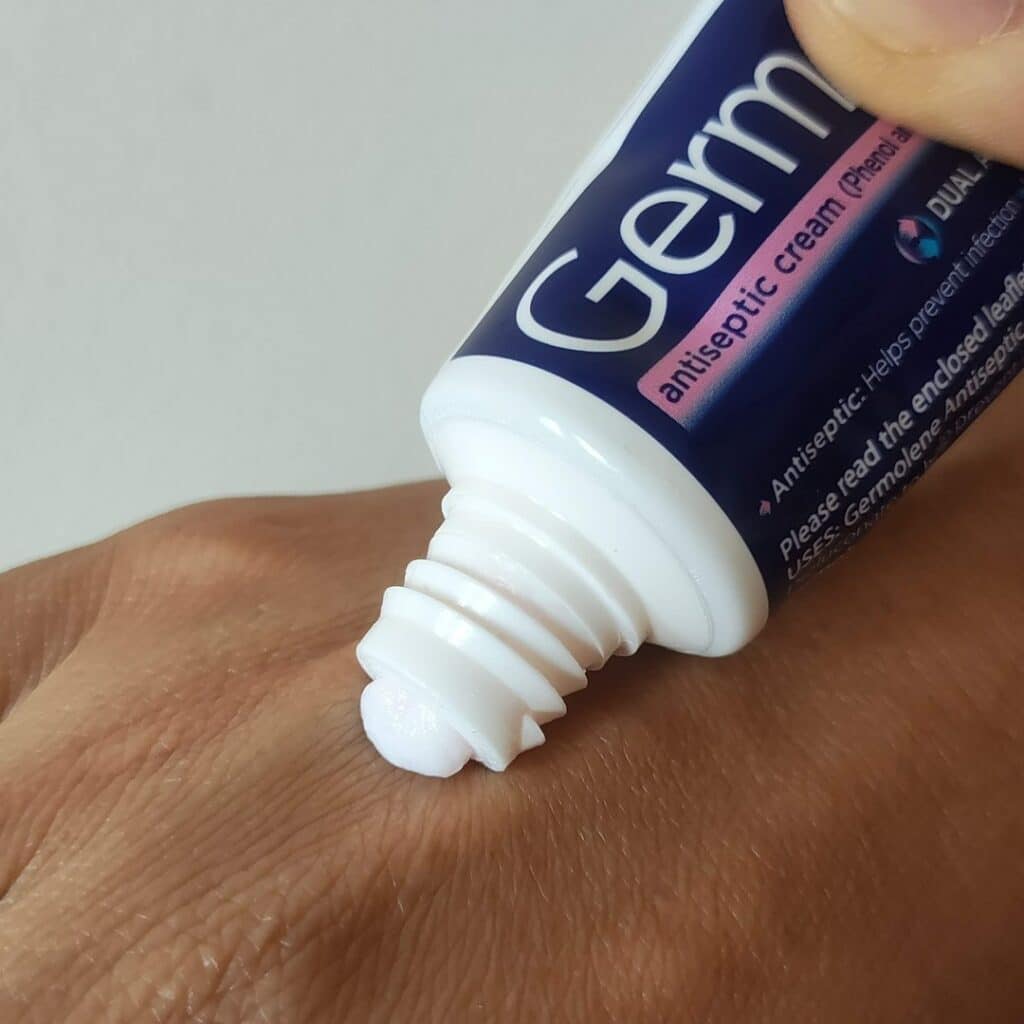
Using clean fingers or a cotton‑tipped applicator, apply a very thin layer of Germolene to the weeping or crusted edges only (not the whole limb). A little goes a long way. Avoid mucous membranes, eyes and large continuous areas.
3. Wait
Give the antiseptic 10–15 minutes to settle and do its job. This also lets any mild numbing take effect before you add heavier moisturisers.
4. Seal
During my TSW, I applied a thin layer of 100% Pure Emu Oil to the treated spot to lock in moisture and support the barrier. Emu oil is lightweight enough to absorb without smothering the skin.
5. Protect
If the area is very dry or flaky after sealing, add a light layer of an ointment such as emu cream to the outermost layer to prevent transepidermal water loss.
A couple of practical reminders: use separate cotton buds/tools for each site to avoid cross‑contamination, and never double‑dip fingers into a tube that’s touching open skin.
If your pain is getting worse, or you are getting systemic symptoms (fever, chills), please consult a doctor. These home routines worked for me, but everyone’s condition is different.
Germolene Alternatives
If Germolene doesn’t suit your skin (lanolin sensitivity, phenol worries, or just too much for your routine), there are several low‑sting, evidence‑backed alternatives that can help you manage ooze and crust without reigniting the burn:
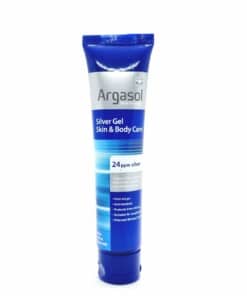
Argasol Silver Gel
Argasol is a silver hydrogel that soothes and creates a thin protective film over broken skin. Silver has antimicrobial activity and the gel format keeps the area moist without smothering. It’s a good option when you want protection plus gentle antimicrobial support.
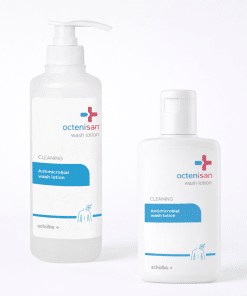
Octenisan Wash
The main ingredient, Octenidine, is a low‑sting antiseptic used as a wound and skin cleanser. It can reduce bacterial load on wet, crusted patches without the sharp sting of alcohol or iodine. Use Octenisan for targeted washes of badly weeping areas, not for daily full‑body use.
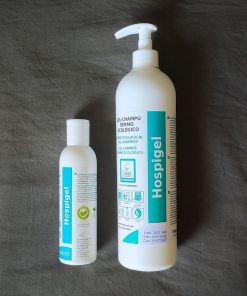
Hospigel
For daily use, this is a mild and gentle liquid soap which does not irritate raw wound and broken skin, thus very suitable for eczema, especially broken and weeping wounds.
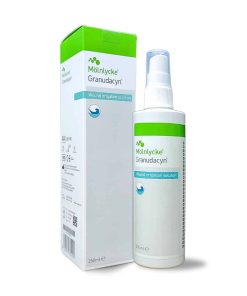
Granudacyn
Mölnlycke Granudacyn Wound Irrigation Solution is a medical solution or gel used for cleansing, moistening, and irrigating wounds. It contains hypochlorous acid (HOCl) to prevent microbial growth and is effective on a variety of wounds.
Celebrate Small Wins During TSW
If you’re in the middle of TSW, I want you to know this: relief from the intense burning sensation is possible. I’ve been where you are. During the worst of it, I’ve had nights where I only got 2 hours sleep, for a whole week.
Healing from TSW isn’t linear. It will hit you for a week, and then cool down, and then come back again in 2 months. Celebrate small wins and protect your energy. Some days you’ll see visible improvement; other days you may feel like you’ve taken two steps back. That’s normal. You don’t have to rush. Slow, predictable steps build real change. Stay patient, stay hopeful. Small acts done consistently will get you to calmer skin and calmer days.